Peran Taruna dalam Pengolahan Air Menjadi Layak Pakai di Aceh Tamiang
DOI:
https://doi.org/10.59447/dedication.v5i1.194Keywords:
flash floods, water filtration, clean water, appropriate technology, emergency responseAbstract
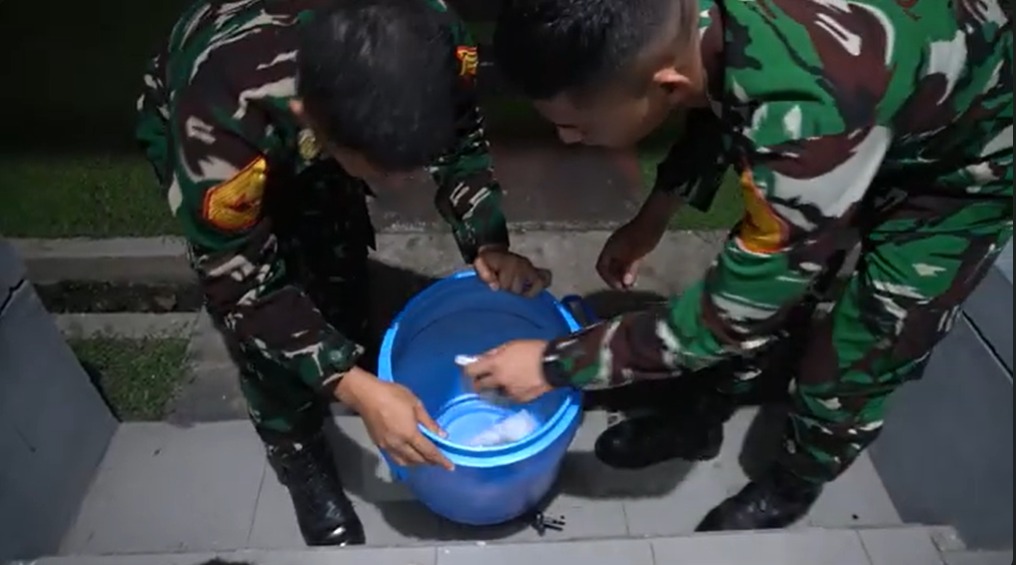
The flash floods that struck Aceh Tamiang caused infrastructure damage and contaminated clean water sources, making it difficult for residents to obtain potable water. This situation increases the risk of water-borne diseases and worsens the post-disaster situation. This research aims to develop a large-scale, simple water filtration prototype as an emergency response solution that is effective, economical, and easy to implement by affected communities. The methods used include field observation, water sampling, testing simple physical parameters (turbidity, color, odor, and pH), and designing a gravity-based, multi-stage filtration system without electricity. The prototype uses a combination of filter media such as gravel, silica sand, activated charcoal, and natural fibers in a drum system. Test results show a decrease in turbidity levels from 150–300 NTU to 5–15 NTU after the filtration process, as well as an increase in pH to near neutral. The filtered water is declared suitable for sanitation and consumption after undergoing a further disinfection process. In addition to implementing the technology, this research also includes public education regarding the selection of safe water sources and maintenance of the filtration system. Based on these results, this large-scale simple water filtration prototype is effective as an appropriate technological solution in handling the post-disaster clean water crisis and has the potential to be replicated in other flood-prone areas.
References
Vaus, Budiyanto, A., & Setiawan, R. (2020). Teknologi filtrasi air untuk kebutuhan rumah tangga. Yogyakarta: Andi Offset.
Kurniawan, T., & Hidayat, R. (2019). Pengolahan air bersih pasca bencana alam. Jurnal Rekayasa Lingkungan, 15(2), 45–52.
Sari, D. P., & Wijaya, M. (2021). Pemanfaatan media zeolit dan arang aktif dalam filtrasi air. Jurnal Teknologi dan Rekayasa, 12(1), 33–40.
Susanto, E., & Rahmawati, F. (2018). Filtrasi air sederhana menggunakan media pasir, arang, dan kapas. Prosiding Seminar Nasional Lingkungan, 2, 112–118.
World Health Organization (WHO). (2017). Guidelines for drinking-water quality (4th ed.). Geneva: WHO.
Badan Nasional Penanggulangan Bencana (BNPB). (2022). Pedoman tanggap darurat bencana banjir. Jakarta: BNPB.
Nugroho, H., & Prasetyo, A. (2019). Efektivitas arang aktif dalam penyaringan air sungai. Jurnal Kimia dan Lingkungan, 8(3), 27–34.
Wulandari, S., & Hartono, D. (2020). Studi perbandingan media filtrasi pasir, zeolit, dan arang untuk air minum rumah tangga. Jurnal Teknik Lingkungan, 11(2), 55–63.
Setiawan, B., & Lestari, R. (2018). Desain alat filtrasi air portable untuk daerah rawan bencana. Jurnal Inovasi Teknologi, 6(1), 19–25.
Tirtayasa, R., & Fauzi, A. (2021). Peningkatan kualitas air menggunakan filtrasi media alami. Jurnal Rekayasa Kimia, 14(1), 41–49.
Hidayati, F., & Rahman, M. (2019). Evaluasi penggunaan sponge, kapas, dan pasir silika sebagai media filtrasi air bersih. Prosiding Seminar Nasional Teknologi Lingkungan, 3, 88–94.
American Water Works Association (AWWA). (2017). Water treatment handbook (7th ed.). Denver, CO: AWWA.
Fauzi, I., & Utomo, P. (2020). Analisis kualitas air pasca bencana banjir menggunakan TDS meter. Jurnal Sains dan Teknologi Lingkungan, 9(2), 67–74.
Lestari, A., & Pranata, T. (2021). Filtrasi air sederhana untuk kesiapsiagaan bencana. Jurnal Rekayasa Lingkungan dan Mitigasi Bencana, 2(1), 14–22.